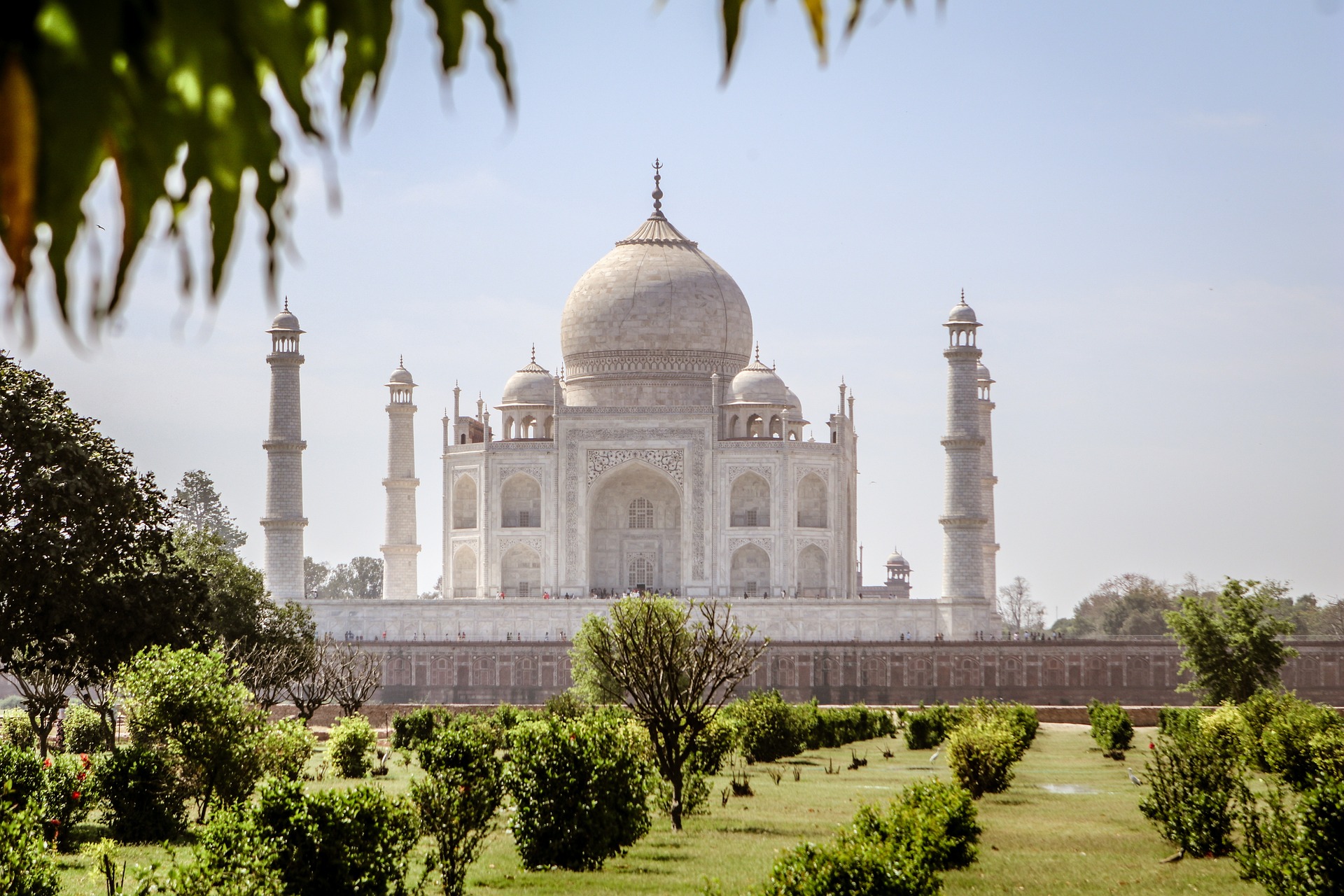
Taj Mahal – Agra
About Taj Mahal
The Taj Mahal is a world-famous UNESCO World Heritage Monument built by Mughal Emperor Shah Jahan in memory of his beloved wife Mumtaz Mahal. Located on the banks of the Yamuna River in Agra, it is a stunning example of Mughal architecture and one of the Seven Wonders of the World.
- Built: 1632–1653
- Architecture: Mughal (Marble Inlay)
- UNESCO World Heritage Site since 1983
How to Reach Taj Mahal
Below are fast ways to get to the Taj Mahal from major transport points:
Auto / Cab Fare Estimate
Approximate fares from major city points to the Taj Mahal (one-way):
| Route | Auto Rickshaw | Local Taxi (Sedan) | App Cab (Uber/Ola) |
|---|---|---|---|
| Agra Cantt Railway Station → Taj Mahal | ₹120–₹180 | ₹250–₹350 | ₹220–₹300 |
| Agra Fort Railway Station → Taj Mahal | ₹100–₹160 | ₹220–₹320 | ₹200–₹280 |
| Agra Airport → Taj Mahal | Not Available | ₹450–₹550 | ₹400–₹550 |
Note: These are approximate fares based on city ride estimates and may vary slightly with demand, time of day, and traffic conditions.
Taj Mahal Selfie Points & Photo Spots
Capturing photos at the Taj Mahal is a once-in-a-lifetime experience. There are several official and scenic spots where visitors can take beautiful selfies and photographs with the monument.
📍 Diana Bench (Famous Selfie Point)
The most popular selfie point at the Taj Mahal is the Diana Bench, located on the central marble platform near the main reflecting pool. This spot is named after Princess Diana, who was photographed here in 1992.
- Perfect frontal view of the Taj Mahal
- Best for solo photos and couple pictures
- Most crowded spot – expect a short waiting time
📍 Main Reflecting Pool Area
The long water channel leading to the Taj Mahal offers a symmetrical reflection of the monument, making it ideal for wide-angle photos and selfies.
📍 Side Gardens & Mosque Platform
- Less crowded areas for peaceful photography
- Side-angle views of the Taj Mahal
- Great for artistic and candid shots
Photography Tip: Early morning provides soft lighting and fewer crowds, making it the best time for selfies.
Best Time to Visit Taj Mahal
The Taj Mahal can be visited throughout the year, but the experience varies by season. Choosing the right time can make your visit more comfortable and memorable.
🌸 October to March (Best Season)
- Pleasant weather with temperatures between 10°C to 25°C
- Ideal for sightseeing and photography
- Peak tourist season – expect crowds
☀️ April to June (Summer)
- Very hot weather (up to 45°C)
- Best to visit early morning or late evening
- Fewer tourists and sometimes discounted hotel prices
🌧️ July to September (Monsoon)
- Moderate rain with high humidity
- Less crowded and lush surroundings
- Beautiful reflections of the Taj Mahal after rainfall
Recommended Time of Day: Early morning (sunrise) for cooler weather and soft light, or late afternoon for golden-hour views.
Special Occasions & Festivals
Visiting the Taj Mahal during festivals and special events offers a unique cultural experience along with sightseeing.
🎭 Taj Mahotsav (Most Popular Event)
Taj Mahotsav is a 10-day cultural festival held every year in February near the Taj Mahal. It celebrates Indian art, culture, handicrafts, music, and cuisine.
- Traditional dance and folk music performances
- Handicraft and handloom exhibitions
- Authentic Indian food stalls
- Great time for cultural photography
🌕 Full Moon Nights
The Taj Mahal is open for special night viewing on full moon nights and two days before and after. Moonlight viewing offers a magical and romantic experience.
🎆 Festivals like Diwali & Holi
- City atmosphere becomes vibrant and festive
- Monument remains open as per ASI guidelines
- Extra security and crowd management in place
Tip: During festivals and peak seasons, it is advisable to book tickets and accommodations in advance.
Entry Fees & Timing
| Category | Fee |
|---|---|
| Indian Citizens | ₹50 |
| SAARC / BIMSTEC Citizens | ₹540 |
| Foreign Tourists | ₹1100 |
| Children & Students | Free (below certain age)* |
Timings: 6:00 AM – 6:30 PM
*Fees and timing subject to change by ASI.
Visitor Tips
- Best time: early morning or evening to avoid crowds.
- Wear comfortable shoes — a lot of walking.
- Entry gates close 30 min before official closing time.
- Photography allowed (tripods sometimes restricted).
- Carry ID proof for ticket purchase.
Best Food to Try in Agra
Agra is not only famous for the Taj Mahal but also for its rich Mughlai cuisine, street food, and traditional sweets. After visiting the Taj Mahal, do not miss these must-try local foods.
🍬 Agra Petha
Petha is Agra’s most famous sweet, dating back to the Mughal era. It is a soft, translucent dessert made from ash gourd.
- Plain, Kesar, Angoori, Chocolate & Paan flavors
- Perfect as a souvenir or gift
Best Places: Panchhi Petha, Deviram Sweets
🫓 Bedai & Jalebi
Bedai with Jalebi is Agra’s most popular breakfast. Spicy Bedai served with curry pairs perfectly with sweet Jalebi.
- Best time to eat: 6:00 AM – 10:00 AM
- A favorite among locals and tourists
Best Places: Deviram Sweets, Munna Lal Bedai
🌮 Agra Street Chaat
Agra is well known for its flavorful street chaat. The taste and spice balance make it unique in North India.
- Aloo Tikki
- Gol Gappa (Pani Puri)
- Papdi Chaat
Best Areas: Sadar Bazaar, Raja Mandi
🍗 Mughlai Food & Biryani
Due to its Mughal heritage, Agra offers excellent Mughlai dishes and flavorful biryani.
- Chicken & Mutton Biryani
- Kebabs and Korma
- Butter Chicken
Best Areas: Taj Ganj, Fatehabad Road
🥟 Local Snacks
Agra also offers delicious evening snacks that are perfect after sightseeing.
- Samosa & Kachori
- Dahi Bhalla
- Chole Bhature
Best Areas: Sadar Bazaar, Kamla Nagar